Moving from manual maintenance to Platform Lifecycle Governance.
For over a decade, the security industry has treated digital certificate management as a background operational chore. However, the proposal to shrink public TLS/SSL certificate validity from 398 days to just 47 days represents a massive paradigm shift. We are no longer dealing with a routine maintenance task; we have reached a definitive architectural breaking point.
Organizations can no longer rely on fragmented tracking, spreadsheet alerts, or localized cron jobs. The impending 47-day reality forces a hard pivot toward comprehensive, automated Platform Lifecycle Governance.
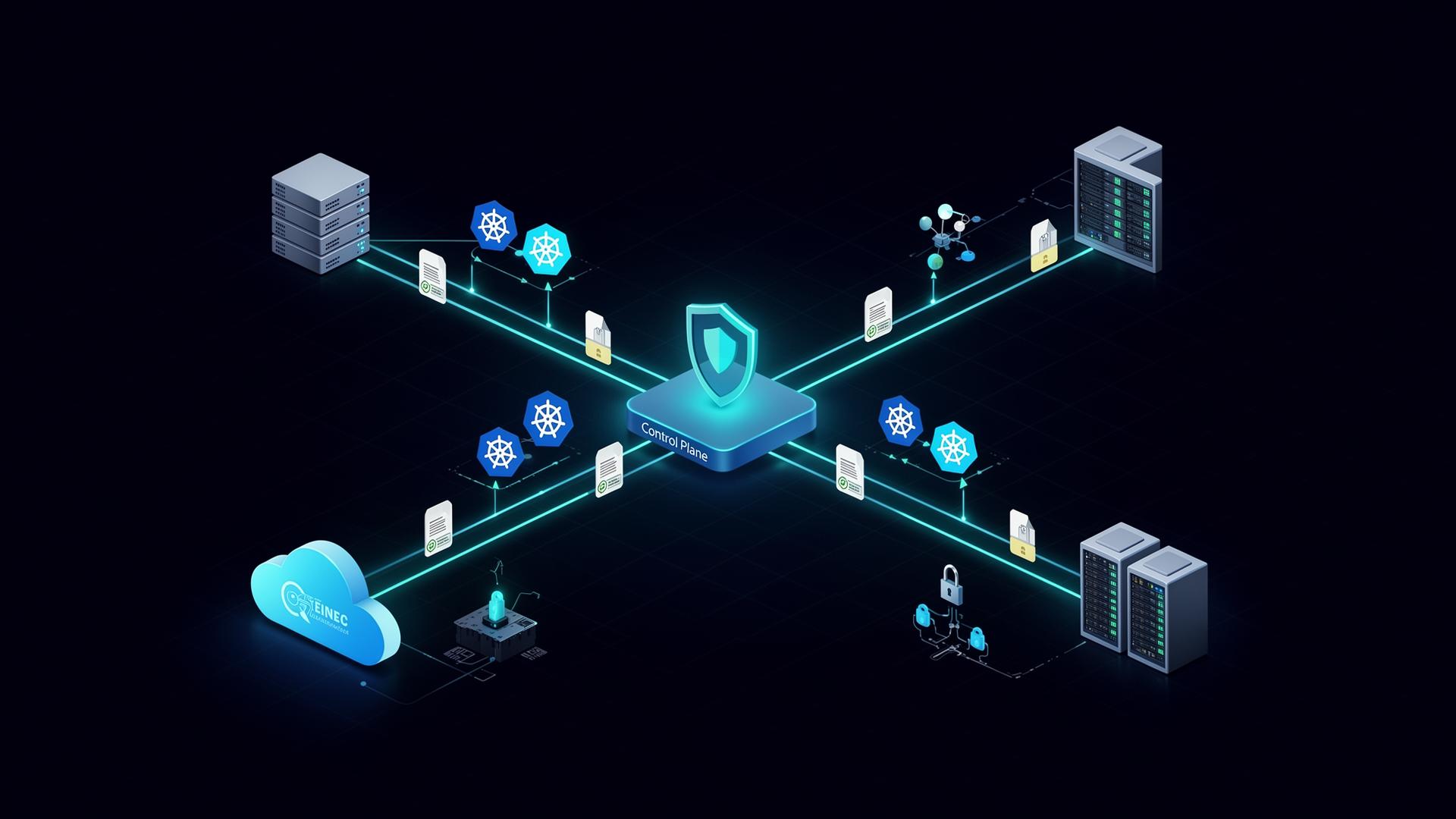
Automated certificate lifecycle governance across cloud, container, edge, and data center estates.
Beyond the Web Browser: The True Cost of Shrinking Lifespans
While much of the public discourse focuses on web browser security, the actual impact of the 47-day validity period strikes at the core of complex enterprise infrastructure. In modern environments, certificates are the bedrock of machine identity. When lifespans compress to mere weeks, the operational strain breaks traditional management models in several critical areas:
The Cloud and Container Sprawl
As organizations work to consolidate fragmented environments—spanning regional cloud operations and sprawling Kubernetes (AKS) clusters—standardizing security becomes paramount. A 47-day rotation cycle makes it impossible to manually manage credentials across thousands of microservices. Without a unified OS and runtime baseline that natively supports automated issuance, containerized workloads face constant risks of authentication failure and downtime.
The Edge: Connected Systems
In the automotive and transportation sectors, the rise of Software-Defined Vehicles (SDVs) relies entirely on encrypted, high-speed telematics. Similarly, modern infrastructure rollouts—such as implementing Megawatt Charging systems compliant with the ISO 15118-20 standard—require precise cryptographic handshakes involving specific OEM root certificates and strict TLS 1.3 compliance. You cannot dispatch a technician to update a secure vehicle endpoint every 40 days.
Legacy and Bare-Metal Transitions
Infrastructure teams actively migrating large data centers—moving workloads from legacy bare-metal servers and VMware instances to modern hardware—require absolute stability to ensure zero-downtime transitions. Shrinking certificate lifecycles introduce a volatile moving target during these complex migrations, magnifying the risk of a lapsed credential taking a critical live workload offline mid-transfer.
Building a Resilient Governance Framework
To navigate this inflection point, the answer isn't just "more automation scripts." Ad-hoc automation is simply technical debt in disguise. The solution requires embedding cryptographic agility directly into your enterprise architecture through a Platform Lifecycle Governance framework.
Standardized Automation (ACME)
The foundation of modern certificate management is the Automated Certificate Management Environment protocol. Infrastructure must be engineered so that every endpoint can automatically request, validate, and install its own certificates without human intervention.
Unified Control and Visibility
Siloed management is a critical vulnerability. Organizations must centralize visibility across their entire estate. A unified enterprise control plane allows security architects to monitor the cryptographic posture of all assets dynamically.
Policy-as-Code Enforcement
Automated issuance must be strictly governed. By defining TLS requirements, allowed cipher suites, and approved root authorities as code, infrastructure teams guarantee that every high-frequency renewal automatically complies with stringent enterprise security baselines.
The Catalyst for Maturity
The push toward 47-day certificate lifespans should not be viewed merely as an aggressive compliance mandate. It is a necessary catalyst for architectural maturity. It exposes the fragility of manual processes and forces organizations to design networks that are inherently resilient, self-healing, and secure by default. By embracing automated, continuous lifecycle governance, enterprise IT and cybersecurity teams can transform a crippling operational burden into a streamlined, invisible layer of digital trust.